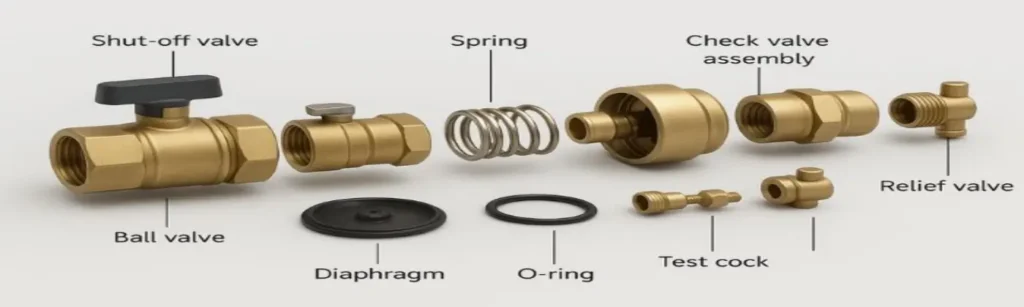
Backflow prevention is crucial for safeguarding the health of your family and employees, protecting your property, and ensuring compliance with local regulations in Frederick, Maryland. It protects your drinking water from dangerous contamination. This vital process involves certified installation and annual testing of specialized devices. Investing in backflow prevention is essential for peace of mind.
- Safeguards drinking water from dangerous contamination.
- Required by law for most properties in Frederick, Maryland.
- Prevents costly damage to property and avoids significant legal issues.
- Involves certified installation and mandatory annual testing.
- Essential for peace of mind regarding water safety for families and businesses.
What is Backflow, Exactly? Understanding the Threat to Your Water Supply
Backflow is the unwanted reversal of water flow in a plumbing system. It allows non-potable, or unsafe, water to enter the potable, or safe, drinking water supply. This creates a significant public health risk.
Backpressure vs. Backsiphonage: The Two Mechanisms of Contamination
Backflow happens through two primary mechanisms, each presenting unique risks to your water supply. Understanding these differences helps in identifying potential vulnerabilities on your Frederick property.
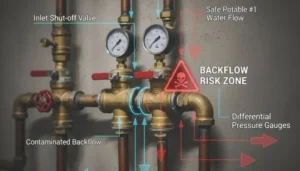
Backpressure: This occurs when the pressure in a non-potable system becomes higher than the pressure in the potable water system. An example is a boiler system in a Frederick business where the boiler’s pressure exceeds the incoming city water pressure, forcing boiler water back into the main supply. Another instance could be a chemical injector connected to a water line.
Backsiphonage: This mechanism involves a sudden drop in pressure in the potable water supply, creating a vacuum effect that pulls contaminated water from a lower pressure source. A common example is a garden hose submerged in a swimming pool or a bucket of cleaning chemicals. If the city water main loses pressure, the contaminated water can be siphoned directly into your home’s drinking water. Firefighting operations, which often cause sudden drops in main line pressure, can also trigger backsiphonage events in Frederick.
10 Crucial Reasons Why Backflow Prevention is Non-Negotiable
Implementing proper backflow prevention is not merely a suggestion; it is a critical investment in health, safety, and compliance. For Frederick property owners, understanding these reasons underscores the urgency of proactive measures.
1. Safeguarding Public & Family Health (The Primary Concern)
Preventing illness is the most critical reason for backflow prevention. Contaminated drinking water can cause severe gastrointestinal illnesses, chemical poisoning, and other serious health issues for Frederick residents. This protective measure directly impacts the well-being of your family and the broader community. According to the EPA, proper backflow prevention protects public health from harmful waterborne pathogens and toxins.
2. Ensuring Compliance with Local, State, and Federal Regulations
Backflow prevention is a legal mandate in many areas, including Frederick. Adhering to local plumbing codes, health department regulations, and state requirements is essential. This includes standards set by codes such as the International Plumbing Code (IPC) adopted by Maryland. Frederick City water authority regulations, for example, require annual testing and proper backflow device installation for many property types.
3. Preventing Costly Property Damage & Infrastructure Corrosion
Beyond health risks, backflow can cause significant damage to your Frederick property’s plumbing systems and appliances. Contaminated or corrosive water can degrade pipes, water heaters, dishwashers, and other fixtures. This often leads to expensive repairs or premature replacements, costing property owners substantial amounts of money. Industry plumbing standards emphasize that clean water significantly extends the lifespan of plumbing infrastructure.
4. Avoiding Expensive Legal Liabilities & Steep Fines
Failure to prevent backflow can result in severe financial and legal repercussions for Frederick property owners. You may face lawsuits from affected parties due to illness or property damage. Regulatory bodies, such as the Frederick County Health Department, can impose significant penalties and fines for non-compliance. This negligence also damages your reputation within the community. Legal experts confirm that property owners are often held liable for damages resulting from preventable backflow contamination.
5. Maintaining Validity of Insurance Coverage
Many commercial and even some homeowner’s insurance policies for Frederick properties require proper backflow prevention. If a contamination event occurs due to neglected backflow prevention, your insurance provider might deny claims. Non-compliance can effectively void your coverage, leaving you responsible for all costs. Insurance industry guidelines frequently stipulate backflow prevention as a condition for water damage or health-related claims.
6. Preserving Business Operations & Reputation
A backflow event can cripple a business in Frederick. Water shut-offs, health crises among customers or employees, and severe loss of public trust can lead to prolonged downtime. This directly impacts revenue, harms employee morale, and threatens the long-term viability of your enterprise. Business continuity planning resources highlight backflow prevention as a critical risk mitigation strategy for commercial operations.
7. Lowering Lifetime Costs vs. Remediation & Extending System Lifespan
Proactive backflow prevention, including proper installation, regular testing, and maintenance in Frederick, is far more cost-effective than reactive measures. Remediation, repairs, or replacements after a contamination event are significantly more expensive. Furthermore, consistently clean water extends the life of your pipes, fixtures, and water-using appliances. Cost analysis reports consistently demonstrate that prevention investments yield substantial long-term savings compared to crisis management.
8. Right Device Prevents the Right Hazard: Tailored Protection
Different backflow prevention devices are engineered for specific hazard levels and types of backflow. Selecting and installing the correct device is crucial for effective protection. For example, a Pressure Vacuum Breaker (PVB) is suitable for irrigation, while a Reduced Pressure Zone (RPZ) device is necessary for high-hazard commercial uses in Frederick. ASSE International standards and local Frederick plumbing codes dictate the appropriate device based on the specific cross-connection and hazard level.
9. Enhancing Overall Property Value & Appeal
A well-maintained, compliant, and demonstrably safe water system is a significant asset for any property in Frederick. Implementing proper backflow prevention increases your property’s market value. It also enhances its appeal to potential buyers or tenants who prioritize health and safety. Real estate industry insights often highlight modern and compliant plumbing systems as key factors in property valuation.
10. Providing Unmatched Peace of Mind & Security
The intangible benefit of knowing your water supply in Frederick is safe and clean offers invaluable peace of mind. You gain security, knowing your family, employees, or customers are protected from dangerous contaminants. This assurance allows you to use your water confidently for consumption and all other daily needs. Effective backflow prevention provides unparalleled peace of mind and water security for every property owner.
Types of Backflow Prevention Devices: Choosing the Right Protection
Selecting the appropriate backflow prevention device is crucial for effective water safety. The choice depends upon the hazard level of the cross-connection, specific local codes for Frederick, and the type of backflow mechanism (backsiphonage or backpressure) that needs protection.
Device Primer & Comparison Table
Understanding the different types of backflow prevention devices helps in making informed decisions. Below is a comparison of common devices, outlining their features and applications.
| Device | What it protects against | Hazard Level | Typical Use Cases | ASSE Standard | Test Frequency |
| Reduced Pressure Zone (RPZ) Assembly | Backpressure & backsiphonage | High | Commercial, fire, industrial, medical | ASSE 1013 | Annual/after repair |
| Double Check Valve (DCV) Assembly | Backpressure & backsiphonage | Low/moderate | General use, some fire lines, residential | ASSE 1015 | Annual |
| Pressure Vacuum Breaker (PVB) | Backsiphonage only | High | Irrigation systems, laboratory sinks | ASSE 1020 | Annual |
| Atmospheric Vacuum Breaker (AVB) | Backsiphonage only | Low | Hose bibs, utility sinks (non-continuous) | ASSE 1001 | No testing (inspect) |
| Air Gap | Backpressure & backsiphonage | Highest | Plumbing fixtures (e.g., dishwasher drain) | N/A | Visual inspection |
Understanding Hazard Levels and Device Selection Guidance
Determining the hazard level of a cross-connection is a critical step in device selection. High-hazard connections involve substances that are toxic or could cause death or severe illness. Low-hazard connections involve substances that are not health hazards but are aesthetically unappealing or could cause minor illness. Examples include stagnant water or non-toxic chemicals.
Always consult with local Frederick professionals for correct device selection. A certified backflow specialist understands local codes and can accurately assess your property’s specific risks. They ensure the installation meets all regulatory requirements.
Air Gap vs. Mechanical Device: When to Use Which
An air gap provides the highest level of backflow protection because it involves a complete physical separation between the potable water outlet and the flood level of the non-potable source. This non-mechanical solution is ideal where feasible, such as with certain plumbing fixtures. Mechanical devices like RPZs and DCVs use internal components to prevent backflow and are used in situations where an air gap is not practical, such as in pressurized lines.
Testing, Certification & Compliance: Ensuring Your Device Works
Installing a backflow preventer is only the first step. Regular testing and maintenance are essential to ensure the device functions correctly and provides continuous protection. Compliance with Frederick’s local regulations is also critical.
Who Can Test Your Backflow Preventer?
You must use a certified backflow tester or a licensed plumber with specific backflow certifications. These professionals possess the required expertise. The Maryland State Plumbing Board requires a 32-hour training course for backflow prevention assembly tester certification.They must be qualified to work in Frederick and use calibrated gauges. This specialized knowledge and equipment ensure accurate testing.
How Often is Backflow Testing Required?
Annual testing is the standard requirement for most backflow prevention devices. However, the exact frequency can vary by municipality or specific property type in Frederick. For example, Frederick City often requires annual testing for all commercial properties and for residential properties with specific high-hazard connections, such as irrigation systems or fire sprinkler lines. Always check with your local water authority for precise requirements.
What Happens During a Backflow Test?
A backflow test is a precise procedure performed by a certified professional. It ensures your device continues to protect your water supply effectively.
Step 1: Scheduling & Preparation: Begin by contacting a certified backflow tester in Frederick to schedule your appointment. Ensure the backflow prevention device is easily accessible for the technician on the day of the test. You may also need to inform your water utility provider of the scheduled test.
Step 2: On-Site Inspection & Testing: The certified tester will arrive with calibrated gauges and specialized tools. They will perform a series of pressure differential tests according to strict industry protocols for your specific device type. This process verifies that all internal components are functioning correctly and preventing any reverse flow.
Step 3: Documentation & Filing: After completing the test, the technician will complete a detailed report. This report documents the test results and confirms the device is operating properly. The tester then signs the report and typically files it directly with the Frederick water authority or relevant municipality on your behalf, ensuring your compliance.
Importance of Certified Installation and Ongoing Maintenance
Correct installation by a licensed Frederick professional is just as critical as regular testing. An improperly installed device cannot provide reliable protection. Furthermore, ongoing maintenance is crucial. Property owners should perform simple preventative tasks. For instance, properly winterizing irrigation systems prevents freezing and damage to PVB devices. Avoiding submerging garden hoses in standing water or chemicals is another easy preventive action. These steps extend the device’s lifespan and maintain its effectiveness.
Recognizing the Signs: Do You Need Backflow Prevention or Inspection?
Being aware of potential problems can help you act quickly to protect your water supply. Recognize these common indicators that may suggest a backflow issue or a need for inspection on your Frederick property.
Common Indicators:
- Discolored water (yellow, brown, or cloudy) coming from your tap.
- Unusual taste or odor in your tap water, such as metallic, chemical, or sewage-like smells.
- Low water pressure or intermittent water flow throughout your property.
- Visible rust or corrosion around your pipes or plumbing fixtures.
- Hissing sounds coming from your plumbing lines, indicating unusual pressure changes.
- Installation of new connections on your Frederick property, such as irrigation systems or fire sprinklers, which require new backflow devices.
- A sudden, unexplained drop in water pressure from the main supply, which can trigger backsiphonage.
Preventive Checklist for Homeowners & Businesses
Taking simple, proactive steps can significantly reduce your risk of backflow events.
- Install hose bib vacuum breakers on all outdoor faucets. These inexpensive devices are easy to install and prevent backsiphonage from garden hoses.
- Never submerge a garden hose in standing water, swimming pools, or chemicals. Always keep an air gap between the hose end and any contaminated liquid.
- Winterize irrigation systems properly to prevent freezing and damage to backflow preventers, which ensures their proper function year-round.
- Ensure proper air gaps in all plumbing fixtures, such as between a faucet and the flood rim of a sink or tub.
- Regularly inspect for signs of cross-connections and address any vulnerabilities promptly.
Frequently Asked Questions (FAQ) About Backflow Prevention
Here are direct answers to common questions about backflow prevention, designed to provide clarity and actionable information.
What is backflow prevention?
Backflow prevention is the practice of protecting your potable (drinking) water supply from contamination by preventing the unwanted reversal of water flow. This process uses specialized devices to ensure that non-potable water cannot mix with clean water. It is a critical safeguard for public health.
How often should a backflow preventer be tested?
Most backflow preventers require annual testing by a certified professional to ensure they are functioning correctly. Local regulations in Frederick or your specific water utility may stipulate a different frequency based on the device type or property usage.
RPZ vs. DCVA vs. PVB – which do I need for my Frederick property?
The specific device you need for your Frederick property depends on the hazard level of the cross-connection and local plumbing codes. RPZ devices protect against high hazards, while DCVAs are for low to moderate hazards. PVBs prevent backsiphonage in low to moderate hazard situations, often used for irrigation. A certified backflow specialist can assess your property and recommend the correct device.
What are common causes of backflow?
Common causes of backflow include sudden drops in water main pressure (backsiphonage) or increased pressure in a non-potable system (backpressure). Examples include a garden hose submerged in a pool, a boiler system operating at higher pressure, or water system maintenance reducing pressure.
What are the signs of a backflow event?
Signs of a backflow event include discolored water, an unusual taste or odor in your tap water, or a sudden drop in water pressure. You might also notice visible rust or corrosion around pipes. These indicators suggest potential contamination.
Can I install a backflow preventer myself?
No, you generally cannot install a backflow preventer yourself. Installation requires a licensed plumber with specific backflow prevention certifications. Proper installation is critical for the device to function correctly and meet all local codes in Frederick.
What happens if I do not get my backflow tested in Frederick?
If you do not get your backflow tested in Frederick as required, you may face significant fines and penalties from the local water authority or health department. Your water service could also be interrupted, and you risk severe legal liabilities if contamination occurs.
Is backflow prevention required for homes in Frederick?
Yes, backflow prevention is often required for homes in Frederick, especially if you have specific cross-connections. Common examples include irrigation systems, fire sprinkler systems, or specialized water features. Always check with Frederick City or Frederick County water regulations.
What should I do if I suspect a backflow event?
If you suspect a backflow event, immediately stop using your water for drinking or cooking. Contact your local water authority and a certified backflow prevention specialist in Frederick without delay. They can assess the situation and ensure your water supply is safe.
How long do backflow preventers last?
The lifespan of a backflow preventer varies by type, material, and maintenance. Most devices can last 10 to 20 years with proper installation, annual testing, and regular maintenance. Neglect can significantly shorten their effective life.
Local Compliance & Your Next Steps
Protecting your water supply is a critical responsibility for every homeowner and business owner in Frederick. Ensuring compliance with local regulations safeguards health, property, and finances. We are here to help you navigate these requirements.
We understand that local regulations for Frederick City or Frederick County can seem complex. We advise you to check the official websites for the Frederick Department of Public Works or Frederick County Government for the most current codes and requirements specific to your property type. Alternatively, our local experts can provide guidance.
Take the necessary steps to secure your water system today.
Want to learn more plumbing tips? Visit our Blog for more expert advice.