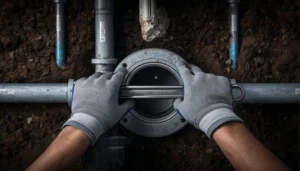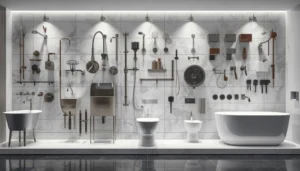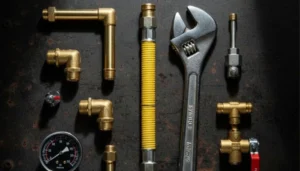
As a seasoned plumber with over 05 years of hands-on experience, I know how essential it is to understand the plumbing fixtures in your home. These components are more than just functional parts, they shape your daily life. They influence water usage, comfort, and the overall look of your living spaces. This guide will clarify the many types of plumbing fixtures available. We will discuss their purposes, common variations, and what makes each one unique. Equipping yourself with this knowledge helps you make informed choices for your home.
What Are Plumbing Fixtures?
Plumbing fixtures are devices directly connected to a home’s water supply and drainage systems. They dispense water for various uses and also carry away wastewater. These items include visible elements like faucets, sinks, and toilets. They are essential parts of any building’s plumbing system.
What Are the Main Types of Plumbing Fixtures?
Many different plumbing fixtures exist, each with a specific purpose. Understanding these categories helps homeowners identify their needs. Knowing the main 10 types also assists in planning upgrades or repairs.
The main 10 types of plumbing fixtures include:
- Toilets
- Sinks
- Faucets
- Showers
- Bathtubs
- Bidets
- Urinals
- Laundry Tubs
- Terminal Valves
- Hose Bibbs
1. Toilets
What Are Toilets and Their Variations?
A toilet is a plumbing fixture designed for the sanitary disposal of human waste. It uses water to flush waste through a drainage pipe. Choosing the right toilet often means balancing efficiency with comfort.
Common variations include:
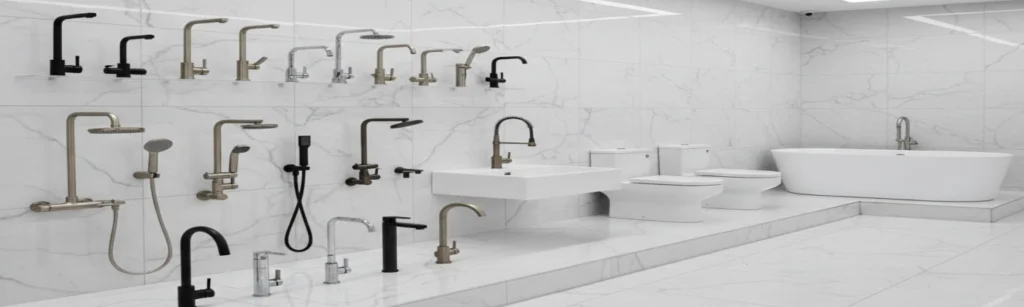
- One-Piece Toilets: These combine the bowl and tank into a single unit. They offer a sleek look and are easier to clean. Many homeowners appreciate their modern appearance.
- Two-Piece Toilets: The most common type, these have a separate bowl and tank. They are often more affordable and simpler to install. Repairing individual toilet components is also easier.
- Wall-Mounted Toilets: These mount directly to the wall, leaving floor space clear. They provide a minimalist aesthetic and make floor cleaning simpler. Installation can be more complex.
- Smart Toilets: These offer features like heated seats, automatic flushing, and bidet functions. They greatly enhance comfort and hygiene. Smart toilets often come with higher price points.
Toilets use various flushing mechanisms. Gravity-fed systems are most common, relying on water weight. Pressure-assisted models offer a stronger flush for clearing waste. Dual-flush toilets provide options for liquid or solid waste, saving water. Most toilets are made of durable porcelain. Water usage is measured in gallons per flush (GPF). Many efficient models use 1.28 GPF or less.
2. Sinks
What Are Sinks and Their Designs?
Sinks are basins designed to hold water for washing, often featuring a drain for wastewater. They are fundamental in kitchens, bathrooms, and utility areas. Homeowners often struggle with selecting a sink that suits both function and style.
Common sink designs and materials include:
- Pedestal Sinks: These have a basin supported by a narrow column. They offer a classic look and save space in small bathrooms. Storage space is limited.
- Drop-In Sinks: Also called top-mount, these drop into a countertop opening. Their rim rests on the counter surface. Installation is generally straightforward.
- Undermount Sinks: These mount underneath the countertop. They create a smooth, clean counter surface for easy cleaning. They offer a high-end appearance.
- Vessel Sinks: These sit entirely on top of the countertop. They act as a focal point and come in various artistic shapes. They often require taller faucets.
- Farmhouse Sinks: Also known as apron-front sinks, these have an exposed front panel. They are popular in kitchens for their spaciousness and rustic charm.
- Wall-Mounted Sinks: These attach directly to the wall, freeing up floor space. They are useful in compact bathrooms or commercial settings.
Typical sink materials include ceramic, porcelain, stainless steel, and cast iron. Each material offers different levels of durability and aesthetic appeal. Basin shapes vary from rectangular to oval or round.
3. Faucets
What Are Faucets and Their Styles?
Faucets are devices that control the flow and temperature of water from a plumbing system. They are essential for every sink, bathtub, and shower. Many homeowners seek a faucet that provides reliable water control and complements their decor.
Common faucet types and styles include:
- Single-Handle Faucets: These use one handle to control both water temperature and flow. They are easy to use and a popular choice for many.
- Two-Handle Faucets: These have separate handles for hot and cold water. They offer precise temperature control. They are available in various traditional and modern designs.
- Pull-Down Faucets: Often found in kitchens, these have a spray head that pulls down into the sink. They provide flexibility for cleaning and rinsing.
- Pull-Out Faucets: Similar to pull-down models, these have a spray head that pulls straight out. They work well in smaller spaces.
- Sensor Faucets: These activate water flow automatically when hands are detected. They improve hygiene and water conservation, often seen in commercial settings.
- Widespread Faucets: These feature separate hot and cold handles and a spout, each installed independently. They create a customizable look and require three holes in the counter.
- Bridge Faucets: Characterized by a horizontal pipe connecting the two handles, these have a distinct classic or rustic aesthetic.
Faucets come in materials such as chrome, brushed nickel, bronze, and matte black. These finishes affect both appearance and durability. They are crucial for water delivery and temperature regulation.
4. Showers
What Are Showers and Their Configurations?
Showers provide a way to bathe using flowing water, typically from an overhead fixture. They are a daily necessity for many. Choosing the right shower involves considering both water delivery and the overall bathing experience.
Common shower configurations and types include:
- Showerhead: This is the most basic and common type, delivering water from a fixed position. Many options exist, from simple to multi-function.
- Hand-Held Shower: This unit includes a flexible hose, allowing users to direct water manually. It offers greater versatility for washing and cleaning the shower space.
- Rain Shower: These larger showerheads mount overhead and provide a gentle, wide spray pattern. They mimic rainfall for a luxurious experience.
- Body Jets: These small, directional sprayers install in the shower walls. They offer a massaging sensation and are often part of a custom shower system.
- Walk-In Showers: These showers have no curb or a very low one, making entry easy. They often feature glass enclosures and feel spacious.
- Shower Stalls: These are self-contained units, typically prefabricated, offering a compact shower solution.
- Tub/Shower Combo: This popular configuration combines a bathtub with an overhead shower. It offers versatility for both bathing and showering in one unit.
Shower water delivery systems include thermostatic valves for constant temperature and pressure-balanced valves for safety against sudden temperature changes. Materials often involve acrylic, fiberglass, or tiled surfaces.
5. Bathtubs
What Are Bathtubs and Their Features?
Bathtubs are large basins designed for soaking and bathing in water. They offer a relaxing alternative to showering. Many homeowners consider bathtub features for comfort and aesthetic appeal.
Common bathtub types include:
- Alcove Tubs: These are installed into a three-wall recess. They are the most common type and often feature a tub/shower combination. Alcove tubs maximize space.
- Freestanding Tubs: These stand alone in the bathroom. They create a dramatic focal point and come in many styles, from clawfoot to modern. They require more floor space.
- Drop-In Tubs: These are un-finished tubs designed to be surrounded by a deck or platform. They offer a custom look.
- Corner Tubs: These fit into a bathroom corner, saving space. They often have a triangular or irregular shape.
- Whirlpool/Air Tubs: These tubs include jets for hydrotherapy. Whirlpool tubs use water jets, while air tubs use air jets. They provide a spa-like experience.
Typical bathtub materials include acrylic, cast iron, fiberglass, and composite materials. Each offers different properties in terms of heat retention, weight, and price. Deep soaking depths and built-in armrests are popular features.
6. Bidget
What Are Bidets and Their Purposes?
Bidets are plumbing fixtures designed for washing the body after using the toilet. They provide a hygienic and refreshing alternative to toilet paper. We have often observed that once homeowners try a bidet, they rarely go back.
Different types of bidets exist:
- Standalone Bidets: These are separate fixtures installed next to the toilet. They look like a low sink with specific water jets. They require extra space and separate plumbing connections.
- Bidet Seats: These replace an existing toilet seat. They offer bidet functionality without needing a separate fixture. Many feature warm water washes and air drying.
- Bidet Attachments: These are simple units that connect under a standard toilet seat. They offer basic washing functions and are a cost-effective option.
Their primary function is to promote personal cleanliness. They can also benefit individuals with mobility issues. Bidets offer comfort and improved hygiene.
7. Urinals
What Are Urinals and Their Applications?
Urinals are specialized plumbing fixtures primarily designed for male urination. While most common in commercial or public restrooms, they can also be found in some residential settings. They often help save water.
Urinals are seen in:
- Commercial Buildings: Offices, restaurants, schools, and airports widely use urinals. They improve restroom traffic flow and hygiene.
- Public Restrooms: Parks, stadiums, and event venues install urinals for high-traffic use.
- Residential Use (Less Common): Some larger homes or dedicated man caves might include a urinal. This adds a unique convenience.
Types of urinals include wall-mounted and floor-mounted models. Many modern urinals incorporate water-saving features. Low-flush models use minimal water per flush. Waterless urinals operate without any water, saving thousands of gallons annually.
8. Laundry tubs
What Are Laundry Tubs and Their Uses?
Laundry tubs, also called utility sinks, are large, deep sinks typically located in laundry rooms, garages, or utility areas. They are designed for tasks that might be too messy or large for a standard kitchen or bathroom sink. Many homeowners find these indispensable for practical household needs.
Their practical uses include:
- Washing Large Items: They are perfect for cleaning mops, buckets, or oversized clothing items.
- Messy Cleanup: Paintbrushes, muddy boots, or greasy tools can be cleaned without staining other sinks.
- Soaking Clothes: They provide ample space for presoaking heavily soiled laundry.
- Pet Washing: The deep basin makes them suitable for bathing small to medium-sized pets.
- Draining Appliances: They offer a convenient place for washing machine discharge.
Common materials for laundry tubs include polypropylene, acrylic, and occasionally cast iron. These materials are chosen for their durability and resistance to harsh chemicals or impacts.
9. Terminal Valves
What Are Terminal Valves and Their Applications?
Terminal valves, such as stop valves, angle stops, or straight stops, are small but critical components in your plumbing system. They control the water flow to individual fixtures. In my experience as a plumber, these valves are essential during maintenance or emergencies.
Their applications include:
- Isolating Water Flow: They allow you to shut off water to a single fixture without affecting the entire house. This is important for repairs.
- Emergency Shut-Off: If a faucet leaks heavily, you can quickly turn off the water at the fixture. This prevents widespread water damage.
- Maintenance: When replacing a faucet or working on a toilet, these valves make the job much simpler. You avoid turning off the main water supply.
Terminal valves are typically located under sinks, behind toilets, or near major appliances. Their importance cannot be overstated. They help prevent major water damage and make plumbing repairs more manageable.
10. Bibbs
What Are Hose Bibbs and Their Features?
Hose bibbs, also known as outdoor faucets or spigots, provide convenient water access outside your home. They are indispensable for gardening, washing cars, or filling kiddie pools. Many homeowners rely on these for various outdoor tasks.
Common features and types include:
- Outdoor Water Access: Their primary purpose is to connect a garden hose for outdoor water use.
- Frost-Free Hose Bibbs: These are designed with a longer stem that extends into the heated part of the house. This prevents water from freezing inside the pipe during cold weather. They significantly reduce the risk of burst pipes.
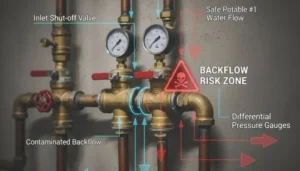
- Anti-Siphon Feature: Many modern hose bibbs include a built-in vacuum breaker. This prevents contaminated outdoor water from being siphoned back into your clean drinking water supply. This protects public health.
- Shut-Off Valves: Some models include a small valve on the bib itself for quick water control.
Hose bibbs are generally made from brass or other durable metals. They are designed to withstand outdoor conditions.
What are Bathroom Plumbing Fixtures?
Bathroom plumbing fixtures are a specific category of devices vital for personal hygiene and comfort within a home. These fixtures are found in every bathroom. They include items like toilets, sinks, and showers. Their design prioritizes both function and aesthetic appeal.
How do bathroom plumbing fixtures differ from other plumbing fixtures?
Bathroom plumbing fixtures have key distinctions compared to kitchen or utility fixtures. Their design often focuses on personal hygiene and creating a comfortable, aesthetically pleasing space. They differ in function and typical usage. Bathroom fixtures often feature more decorative finishes. They prioritize water delivery for washing and waste removal from personal use. Kitchen fixtures, conversely, emphasize utility and durability for food preparation and rigorous cleaning.
What Are the Most Common Types of Bathroom Plumbing Fixtures?
Bathrooms house several essential fixtures that are central to daily routines. Understanding these common types helps homeowners plan bathroom layouts and renovations.
The most common 6 types of bathroom plumbing fixtures include:
- Toilets: Essential for waste disposal, available in various styles and water efficiencies.
- Sinks (Lavatories): Used for handwashing and personal grooming, offering many design options.
- Faucets: Control water flow to sinks and bathtubs, providing both function and style.
- Showers: Offer a quick and efficient way to bathe, with diverse configurations.
- Bathtubs: Provide a space for soaking and relaxation, coming in many shapes and sizes.
- Bidets: Enhance personal hygiene, often installed alongside or integrated with toilets.
What Are Kitchen Plumbing Fixtures?
Kitchen plumbing fixtures are a distinct group of devices designed for the unique demands of food preparation, cooking, and cleaning. These are workhorse components in the busiest room of the house. They include sinks, faucets, and garbage disposals. Their selection impacts daily kitchen operations.
How do kitchen plumbing fixtures differ from other plumbing fixtures?
Kitchen plumbing fixtures differ significantly from those found in bathrooms or utility areas. Their primary focus is on utility, durability, and meeting the specific needs of food preparation and cleaning. Kitchen faucets, for example, often have higher spouts and pull-out sprays for large pots. Kitchen sinks are typically larger and deeper to handle dishes and cooking tasks. Durability is also a major consideration. Bathroom fixtures focus more on personal hygiene and aesthetics.
What Are the Most Common Types of Kitchen Plumbing Fixtures?
Kitchens rely on a specific set of fixtures to function efficiently for cooking and cleaning. Knowing these types assists homeowners in making practical choices.
The most common 5 types of kitchen plumbing fixtures include:
- Sinks: Large basins for washing dishes, food preparation, and general cleanup.
- Faucets: Control water flow to the sink, often featuring sprayers for versatility.
- Garbage Disposals: Grinds food waste into small particles for easy disposal through the drain.
- Dishwashers: Automated appliances for cleaning dishes, connected to the water supply and drain.
- Water Filters: Provide filtered drinking water directly from a dedicated faucet or through the main tap.
What Factors Influence Choosing Plumbing Fixtures?
Choosing the right plumbing fixtures involves considering several important factors. Homeowners often feel overwhelmed by the many choices. Weighing these criteria helps in making selections that fit your home and lifestyle.
| Factor | Description & Consideration |
| Budget | Consider initial purchase cost and long-term operating expenses. |
| Material Durability | Evaluate the lifespan and resistance to wear for materials like ceramic, stainless steel, or brass. |
| Installation Complexity | Some fixtures require specialized tools or professional help. |
| Maintenance Needs | Think about cleaning, upkeep, and potential repair frequency. |
| Aesthetics & Style | Ensure the fixture complements your home’s design and personal taste. |
| Water Efficiency | Look for labels like WaterSense for savings on water bills and environmental impact. |
| User Needs | Consider accessibility, family size, and specific functional requirements. |
Each factor plays a significant role. Selecting fixtures that balance these points provides the best long-term value. For complex installations, consider contacting our certified plumbing team.
Should You Prioritize Water Efficiency in Plumbing Fixtures?
Yes, homeowners absolutely should prioritize water efficiency when choosing plumbing fixtures. This decision offers significant benefits for both the environment and your wallet. Water-efficient fixtures reduce water consumption. This helps conserve a vital natural resource.
They also lead to noticeable savings on monthly water bills. Look for fixtures with the WaterSense label. This indicates they meet strict water efficiency criteria set by the EPA. Examples include low-flow showerheads, faucets with low gallons per minute (GPM) ratings, and dual-flush toilets with low gallons per flush (GPF) ratings. Choosing these products helps prevent future backups. This also contributes to a more sustainable home. Explore our guide to water-efficient plumbing solutions for your home.
Find more helpful plumbing tips and guides on our Blog page.