Your home’s sewer system often stays out of sight, out of mind. That is until something goes wrong. A gurgling drain or a foul odor can quickly disrupt your home life. Many homeowners feel a bit lost when facing these issues. This complete guide helps you understand how your home’s sewer system works. We will also cover common problems, practical solutions, and essential maintenance tips. Our aim is to empower you with knowledge. This knowledge helps you protect your home and gain peace of mind. You will learn when to handle a small issue yourself and when to call a professional.
How Does a Sewer System Work in a House?
A home sewer system is a vital network. It safely carries all wastewater away from your property. This system protects your family’s health and preserves your home’s structure. Understanding its basic operation helps you identify problems early. It also allows you to make informed decisions about maintenance and repairs.
What are the main parts of a home sewer system?
Your home’s sewer system is a series of interconnected pipes and fixtures. Each part plays a specific role in moving wastewater efficiently. Knowing these components will help you understand how your plumbing works as a whole.
Main Sewer Line & Lateral Drains
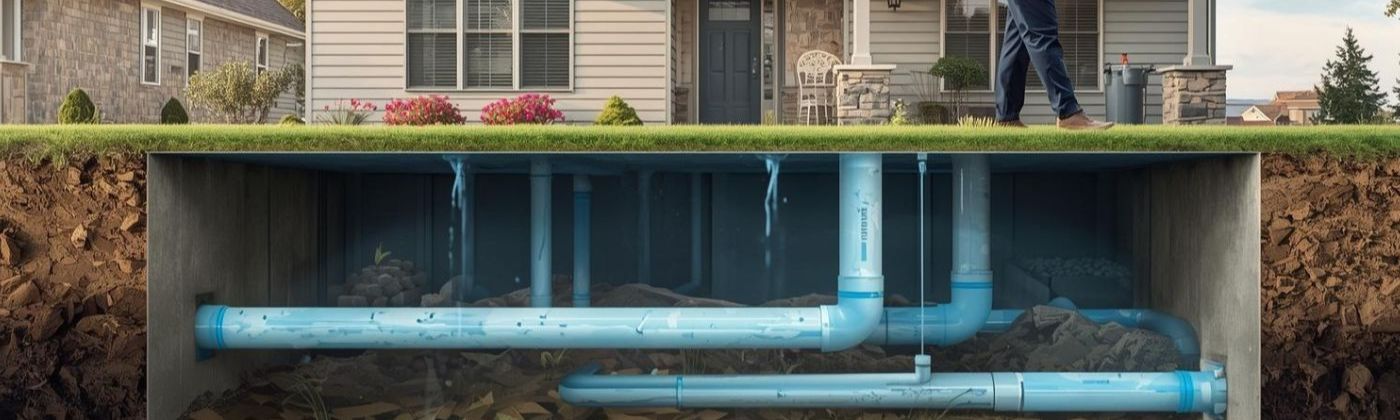
The main sewer line is the largest pipe. It runs underground from your home to either the municipal sewer system or your septic tank. This line collects all wastewater from your house. Lateral drains are smaller pipes. They connect individual fixtures and branch lines to the main sewer line. Think of them as the tributaries flowing into a main river. A proper slope ensures gravity moves waste along these pipes.
Vent Stack and P-Traps (Water Seals)
The vent stack is a vertical pipe. It extends from your main sewer line up through your roof. This stack provides crucial ventilation. It allows sewer gases to escape and helps maintain proper air pressure within the drainage system. Without it, water would not flow correctly. P-traps are U shaped pipe sections. You will find them under every sink, toilet, and shower drain. They hold a small amount of water. This water creates a seal, preventing foul sewer gases from entering your home. The vent stack and P-traps work together to keep your indoor air fresh and safe.
Sewer Cleanout and Access Points
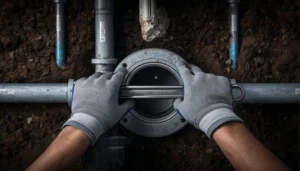
A sewer cleanout is a capped pipe. It provides direct access to your main sewer line. You typically find it outside your home, often near the foundation. Sometimes, there are additional cleanouts inside, such as in a basement or utility room. Plumbers use these access points. They insert tools like snakes or hydro jetting equipment. Cleanouts are essential for clearing stubborn blockages and performing inspections. Knowing where your cleanout is located can save time during a plumbing emergency.
Fixture Drains and Branch Lines
Fixture drains are the pipes directly connected to your sinks, tubs, showers, and toilets. These are the smallest drains in your system. They lead to larger branch lines. Branch lines then merge together. Finally, they connect to the main sewer line. Each fixture drain and branch line needs proper slope to function correctly. This ensures wastewater moves away efficiently and does not sit stagnant.
How does wastewater move through a residential sewer system?
Wastewater movement in your home is a marvel of simple physics. It relies on gravity, air pressure, and clever design. This system works quietly and effectively when everything is in order.
Gravity Flow and Pipe Slope (e.g., ~1/4″ per foot)
The entire drainage system uses gravity flow. Water and waste move downward from your fixtures. Pipes are installed with a precise slope. This slope is typically about one quarter inch per foot. This gradient is critical. It allows waste to flow away without accumulating. Yet, it is not so steep that water outruns the solids. Proper slope ensures efficient removal. Without it, clogs become far more likely.
Ventilation and Pressure Balance
Proper ventilation is vital for smooth wastewater flow. The vent stack allows fresh air into the system. This air prevents a vacuum from forming behind the draining water. Imagine trying to pour liquid from a sealed bottle; it gurgles and struggles. Your plumbing works in a similar way. The vent stack ensures balanced air pressure. This balance allows water to drain quickly and quietly. It also stops water from being sucked out of your P-traps.
Role of Water Seals in Preventing Odors
As mentioned, P-traps create water seals. These seals are small barriers of water. They sit in the U shaped bend of the pipe under each fixture. These seals serve a critical purpose. They block foul smelling sewer gases from rising into your home. These gases originate from decomposing waste in the sewer lines. A dry P-trap, perhaps from an unused sink, will allow these odors inside. Regular use of all fixtures keeps these water seals effective.
What role does a sewer line play in home plumbing?
The sewer line is more than just a pipe. It is the backbone of your home’s sanitation. It connects your private plumbing to the larger public infrastructure.
Connecting to the Municipal System or Septic Tank
Your home’s main sewer line has one of two destinations. It either connects to a municipal sewer system or to your own septic tank. In urban and suburban areas, connection to a municipal system is common. This means your waste goes to a central treatment plant. In rural areas, a septic tank provides on site waste treatment. Both systems ensure wastewater leaves your home safely.
Ensuring Sanitary Waste Removal
The primary role of your sewer line is sanitary waste removal. It carries away all used water from toilets, sinks, showers, and laundry. This removal prevents the buildup of harmful bacteria and viruses within your home. It also prevents unpleasant odors. A functional sewer system is fundamental to a healthy living environment. It keeps your home clean and protects your family from potential health risks.
How is a sewer system connected to the city sewer or septic tank?
Understanding this connection is crucial. It defines where your responsibility for maintenance begins and ends.
Understanding Property Lines and Connections
The point where your private sewer lateral connects to the municipal sewer main is usually at or near your property line. Your home’s sewer line runs from your house to this connection. If you have a septic system, your line connects directly to your septic tank. It then leads to a drain field on your property. Knowing your property lines helps clarify ownership and repair responsibilities. This information is often available through your local city planning department or property records.
Responsibilities for Maintenance (Homeowner vs. Municipality)
Generally, homeowners are responsible for the sewer line from their house up to the property line. This includes all lateral drains within the property. The municipality, or city, is responsible for the main sewer line in the street. They are also responsible for the connection point at the property line. With a septic system, the homeowner is responsible for the entire system. Always confirm these responsibilities with your local municipality or utility provider. This prevents disputes and ensures timely repairs.
What Are Common Problems in Home Sewer Systems?
Even with careful use, sewer systems can experience problems. These issues range from minor annoyances to major crises. Recognizing the signs early can prevent extensive damage and costly repairs.
What causes sewer line blockages and clogs?
Blockages are perhaps the most frequent sewer system problem. They happen when something obstructs the flow of wastewater.
Common Culprits: Hair, Grease, Wipes, Food Scraps, Foreign Objects
Many everyday items cause clogs. Hair is a major culprit in bathroom drains. It combines with soap scum to form stubborn mats. Fats, oils, and grease (FOGs) poured down the kitchen sink cool and solidify in pipes. So called “flushable” wipes do not break down like toilet paper. They create significant blockages. Food scraps, especially starchy or fibrous items, also contribute. Finally, foreign objects like children’s toys or hygiene products accidentally flushed cause immediate problems. Only human waste and toilet paper should go down your toilet.
Structural Issues Leading to Blockages (e.g., pipe bellies, cracks)
Sometimes, clogs are not due to what you flush. Structural issues within the pipes can also cause blockages. A “pipe belly” or “sag” occurs when a section of the pipe sinks. This creates a low spot where water and solids collect. This leads to frequent clogs. Cracks or misaligned pipe sections can snag debris. This also restricts flow. These structural problems often require professional assessment and repair.
What are the warning signs of a sewer issue?
Your home often provides subtle clues before a full blown sewer emergency. Pay attention to these indicators. Early detection saves you money and stress.
Slow Drains & Frequent Backups (e.g., multiple fixtures affected)
One of the first signs is slow draining water. If water takes too long to go down the sink, shower, or toilet, a partial clog exists. More concerning are frequent backups. If multiple fixtures back up at once, especially on lower levels, this strongly suggests a main sewer line blockage. For example, flushing a toilet might cause water to bubble up in your shower. This indicates a significant problem requiring immediate attention.
Gurgling Noises from Drains or Toilets
Hearing gurgling noises from your drains or toilet is another red flag. This sound happens when air is trapped or struggling to move past an obstruction. The gurgle is the sound of air trying to escape through the water. It often indicates a blockage or a ventilation problem in your sewer line. Do not ignore persistent gurgling sounds.
Sewer Odors Inside or Outside the House
An unmistakable foul odor is a strong indicator of a sewer problem. If you smell sewer odors inside your home, it could mean a dry P-trap, a crack in a vent pipe, or a main sewer line issue. Odors outside, especially near your cleanout or in the yard, suggest a leak or a blockage in the main line. Sewer gases contain harmful substances, so these odors should prompt quick action.
Yard or Floor Saturation (e.g., wet spots, sinkholes, lush patches)
Visible signs in your yard are serious. Wet spots or unusually lush patches of grass over your sewer line can indicate a leak. Wastewater acts as fertilizer, making grass grow faster and greener. If you notice a sinkhole or depressions in the ground, this is a severe sign of a collapsed pipe or significant leak. Indoors, damp spots or water stains on floors or walls near drains also suggest leaks. These symptoms demand professional investigation.
Pest Infestation (e.g., rodents, insects attracted to leaks)
Sewer line damage can attract unwanted guests. Rodents and insects like cockroaches are drawn to the moisture and waste found in leaking sewer pipes. They can enter your home through even small cracks or gaps in the system. If you notice an increase in these pests, especially in areas near plumbing, it could point to a hidden sewer leak. Pest infestation is a lesser known but important warning sign.
How do tree roots affect a sewer system?
Tree roots are a common and destructive enemy of sewer lines. They seek out moisture and nutrients, and sewer pipes offer both.
Root Intrusion Points and Mechanisms
Tree roots are opportunistic. They naturally grow towards sources of water. Sewer pipes, even those without obvious cracks, release tiny amounts of water vapor. This attracts nearby roots. Roots can enter through tiny cracks, loose joints, or small gaps in the pipe. Once inside, they grow larger, often creating a dense mass. Even small shrubs can cause root intrusion.
Damage Caused by Roots (e.g., cracks, blockages, pipe displacement)
Root intrusion causes several types of damage. First, the roots themselves create blockages. They snag debris passing through the pipe. Second, as roots grow, they exert immense pressure. This pressure can crack pipes, misalign sections, or even cause a complete pipe collapse. Third, roots can displace pipe sections. This changes the critical pipe slope, further hindering flow. Root damage often leads to frequent and severe sewer backups.
Why do sewer pipes crack, collapse, or corrode?
Sewer pipes are designed for durability, but they are not indestructible. Several factors contribute to their degradation over time.
Aging Infrastructure and Material Degradation
Many older homes have sewer lines made of cast iron, clay, or even Orangeburg pipe. These materials have limited lifespans. Cast iron can rust and become brittle. Clay pipes are prone to cracking from ground movement. Orangeburg pipe, made of wood fibers and tar, can simply disintegrate over time. Aging infrastructure is a primary reason for pipe failure. Newer PVC pipes are more durable but not immune to damage.
Ground Movement, Shifting Soil, and External Pressure
The ground around your home is not static. Ground movement due to earthquakes, heavy rain, or even construction nearby can shift soil. This shifting soil puts immense pressure on buried pipes. This pressure can cause them to crack, separate at joints, or even collapse. Heavy vehicles driving over the sewer line path can also create external pressure. Proper bedding and installation help prevent some, but not all, of these issues.
Chemical Corrosion from Waste or Soil
Sewer pipes are exposed to various substances. Some chemicals found in household waste, like harsh drain cleaners, can cause internal corrosion. Certain soil conditions, particularly highly acidic or alkaline soils, can also corrode the exterior of pipes. This is especially true for older metal pipes. Corrosion weakens the pipe walls, making them susceptible to cracks and leaks.
Poor Installation or Substandard Materials
Sometimes, problems stem from the very beginning. Poor installation techniques can lead to issues like insufficient pipe slope or weak joint connections. Using substandard materials that are not rated for underground use or local conditions also causes premature failure. While less common in newer construction, it is a factor in some older or poorly built systems. Professional installation by qualified plumbers is crucial for long term reliability.
How do sewer backups happen?
A sewer backup is a homeowner’s nightmare. It means wastewater is flowing back into your home. Understanding why they occur can help you prevent them.
Main Line Blockages vs. Localized Clogs
Sewer backups happen for two main reasons. A localized clog affects only one drain or fixture. This is typically in the fixture drain or a branch line. A main line blockage is far more serious. It affects multiple fixtures, often on the lowest level of your home. When the main line is blocked, wastewater has nowhere to go but back up through the lowest points. A main line blockage always requires professional intervention.
Heavy Rainfall and Municipal Sewer Overload
In some areas, heavy rainfall can contribute to sewer backups. This is particularly true if your home connects to a combined sewer system. Combined systems carry both sanitary waste and stormwater. During intense storms, these systems can become overloaded. The municipal sewer main might then back up into connected homes. This is a complex issue often requiring city level infrastructure improvements.
Causes and Immediate Dangers
The causes of backups are varied, as discussed above. They include tree roots, grease buildup, “flushable” wipes, and structural pipe damage. Immediate dangers are significant. Wastewater contains harmful bacteria, viruses, and other pathogens. Exposure poses serious health risks. Furthermore, a backup can cause extensive property damage to floors, walls, and furniture. It is crucial to avoid contact with floodwater and to seek immediate professional help.
How Can You Fix Sewer System Issues?
Addressing sewer problems effectively requires knowing when to DIY and when to call a professional. Some minor issues are manageable, while others demand expert tools and knowledge.
What DIY steps can address minor sewer problems?
For small, localized clogs, you can often take action yourself. These methods are for single drains, not widespread issues.
Plunging Techniques for Localized Clogs
A plunger is your first line of defense against localized clogs. For sinks and tubs, ensure you have enough water to cover the plunger cup. Create a tight seal over the drain. Plunge with firm, consistent up and down motions. For toilets, use a flange plunger designed for toilet bowls. Proper plunging can dislodge many simple clogs. Never use excessive force, as this can damage pipes.
Using Enzymatic Cleaners (and what to avoid)
Enzymatic cleaners use natural bacteria to break down organic matter like hair, grease, and food particles. They work slowly but are safe for pipes and septic systems. Pour them down the drain before bed. Allow them to work overnight. Avoid chemical drain cleaners. These contain harsh acids or lye. They can damage pipes, especially older ones, and are dangerous to handle. They often provide only temporary relief and do not address the root cause of the clog.
Basic Drain Trap Cleaning
Sometimes, a clog is right in the P-trap under your sink. Place a bucket underneath. Use a wrench to loosen the slip nuts on the P-trap. Carefully remove the trap. Clean out any accumulated hair, grease, or debris. Reattach the trap, ensuring a tight seal. Run water to check for leaks. This is a relatively simple DIY task for accessible sink drains.
When should a professional diagnose sewer system problems?
Knowing when to call an expert is vital. Attempting complex repairs yourself can worsen the problem and lead to higher costs.
Persistent or Recurring Issues
If you experience slow drains or clogs that keep coming back, it is time for professional help. Recurring problems often indicate a deeper issue. This issue could be a developing main line blockage or early root intrusion. A professional can properly diagnose the underlying cause. Do not wait for a small, recurring problem to become a major emergency.
Multiple Fixture Problems or Main Line Suspicions
As discussed, multiple fixtures backing up simultaneously is a strong sign of a main sewer line problem. If flushing a toilet causes water to rise in a shower or sink, this confirms a main line blockage. In these cases, DIY methods are ineffective. You need a professional with specialized equipment. Prompt action prevents extensive wastewater damage to your home.
Signs of Structural Damage or Yard Saturation
Any visible signs of structural damage to pipes, such as yard saturation, wet spots, or sinkholes, require immediate professional attention. These indicate leaks or a collapsed line. These issues often involve digging and specialized repair techniques. A professional plumber can assess the damage and recommend the correct course of action. They can also help prevent further property damage.
What are common professional sewer system repair methods?
Professional plumbers have a range of tools and techniques to address various sewer line problems. Their methods are more effective and safer than DIY attempts for significant issues.
Snaking and Augering for Blockage Removal
For tough clogs beyond a plunger’s reach, plumbers use drain snakes or augers. These are flexible cables with cutting heads. They can extend deep into pipes. The plumber rotates the snake to break up or retrieve blockages. This method is effective for hair, grease, and some roots. Snaking provides a physical way to clear obstructions.
Hydro Jetting: High-Pressure Water Cleaning
Hydro jetting is a powerful cleaning method. It uses highly pressurized water streams (up to 4000 PSI) to clean the interior of pipes. This process thoroughly scours away grease buildup, mineral deposits, and even tree roots. It is much more effective than snaking for comprehensive cleaning. Hydro jetting leaves pipes virtually spotless, preventing future clogs. It is an excellent preventative maintenance tool.
Pipe Patching and Sectional Repair
If only a small section of your sewer line is damaged, pipe patching or sectional repair might be an option. This involves repairing or replacing only the affected segment. This can be done using trenchless methods, where a new liner is inserted, or by excavating a small area. This method saves time and money compared to full line replacement. It is suitable for isolated cracks or breaks.
What does sewer system replacement involve?
Sometimes, repairs are not enough. If your sewer line is severely damaged, old, or has frequent issues, full replacement becomes necessary.
Traditional Trenching Methods
Traditional trenching involves excavating a trench to expose the entire length of the sewer line. Plumbers then remove the old pipe and install a new one. This method is comprehensive and allows for thorough inspection of the pipe bed. However, it is disruptive. It involves significant digging, landscaping repair, and potential damage to driveways or patios. Traditional trenching is a proven, reliable method for full replacement.
Trenchless Sewer Repair (Pipe Bursting, Pipe Lining)
Trenchless sewer repair offers less disruptive alternatives. Pipe bursting involves pulling a new pipe through the old one, simultaneously breaking apart the old pipe. Pipe lining inserts a resin coated fabric tube into the existing pipe. This tube then hardens, creating a new pipe inside the old one. Both methods minimize excavation. They save your yard and landscaping. Trenchless methods are often quicker and cleaner, though they can be more expensive upfront.
Cost and Time Considerations for Replacement
Sewer line replacement is a significant home repair. Costs vary widely depending on the method chosen, the length and depth of the line, pipe material, and local labor rates. Trenchless methods may cost more initially but save on landscaping restoration. Time also varies. Traditional trenching can take several days. Trenchless methods often finish in one to two days. Always get multiple estimates and understand the scope of work.
When Should You Call a Professional for Sewer Problems?
It is crucial to recognize when a problem extends beyond DIY capabilities. Calling a professional early saves stress, time, and money in the long run.
What are the risks of DIY sewer repair?
While minor clogs can be a DIY fix, attempting complex sewer repairs carries significant risks. It is important to understand these dangers.
Potential for Further Damage to Pipes
Improper use of tools, like aggressive snaking, can further damage pipes. You might crack a pipe, push a clog deeper, or dislodge pipe sections. Chemical drain cleaners can corrode pipes, especially older ones. These actions turn a manageable problem into a much more expensive repair. Professional plumbers use the right tools with correct techniques.
Exposure to Hazardous Waste
Sewer water contains bacteria, viruses, and other pathogens. Direct contact with wastewater poses serious health risks. It can cause infections, respiratory issues, and other illnesses. Plumbers wear protective gear and follow safety protocols. Homeowners often lack this equipment and training. Avoid direct contact with any sewage backup.
Ineffectiveness and Wasted Time/Money
Many DIY attempts for serious sewer issues are simply ineffective. You might spend hours or days trying to fix something that needs specialized equipment. You also might buy expensive tools or harsh chemicals that do not work. Ultimately, you still need to call a professional. This leads to wasted time and money. A professional diagnoses and fixes the problem correctly the first time.
How much does professional sewer service cost?
Cost is a natural concern for homeowners. Several factors influence the price of professional sewer services.
Factors Influencing Cost (e.g., type of repair, accessibility, location)
The type of repair is the biggest factor. A simple clog removal costs less than hydro jetting. A full line replacement costs significantly more. Accessibility also matters. If the line is deep or under concrete, the work becomes more complex and expensive. Your geographic location influences labor rates. The chosen pipe materials also affect the total cost. Always ask for a detailed estimate.
Emergency vs. Scheduled Services
Emergency services typically cost more than scheduled appointments. Plumbers charge extra for after hours, weekend, or holiday calls. If your situation is not an immediate health or safety risk, scheduling a regular appointment can save you money. However, for a severe backup, an emergency call is often necessary. Weigh the urgency against potential cost savings.
How do plumbers detect hidden sewer issues?
Sewer problems often occur underground or behind walls. Plumbers use advanced tools to pinpoint the exact location and nature of the issue.
Advanced Diagnostic Tools (e.g., video inspection, leak detectors, pipe locators)
Professional plumbers use state of the art video camera inspections. A small, waterproof camera enters the sewer line. It transmits live video to a monitor. This allows the plumber to see blockages, cracks, root intrusion, and pipe bellies. They also use leak detectors and pipe locators. These tools help pinpoint the exact location and depth of the sewer line and any leaks. These diagnostics remove guesswork and ensure precise repairs.
Sewer Line Smoke Testing
Sewer line smoke testing is a specialized diagnostic method. Plumbers introduce non toxic, odorless smoke into the sewer system. If smoke emerges from cracks in your yard, foundation, or even inside your home (e.g., from a dry P-trap), it indicates a leak. This method is particularly effective for finding hard to locate leaks and identifying illegal connections. Smoke testing helps identify entry points for sewer gas and pests.
Experience-Based Problem Solving
Beyond tools, a plumber’s experience is invaluable. They have seen countless sewer problems. They can interpret the various symptoms your home presents. They combine diagnostic results with their deep knowledge of plumbing systems. This allows them to accurately diagnose complex issues. An experienced plumber provides efficient and effective solutions.
Why Is a Septic System Sometimes Used Instead of a Sewer Connection?
Not all homes connect to a municipal sewer system. Many rural and some suburban properties rely on septic systems. These systems manage wastewater on site.
How does a septic system differ from a sewer system?
The fundamental difference lies in where wastewater is treated.
On-site Waste Treatment vs. Centralized System
A municipal sewer system is a centralized system. It collects wastewater from many homes. It transports it to a large, off site treatment plant. A septic system provides on site waste treatment. All wastewater from your home flows into a buried septic tank on your property. There, solids settle out and liquids begin to treat. The partially treated liquid then flows to a drain field. Septic systems manage waste entirely on your property.
Components: Septic Tank, Drain Field
The two main components of a septic system are the septic tank and the drain field. The septic tank is a watertight container. It holds wastewater, allowing solids to settle and scum to float. Bacteria in the tank break down some of the waste. The drain field, also called a leach field, is a series of trenches with perforated pipes. Partially treated wastewater flows into these pipes. It then slowly leaches into the soil, where it undergoes further natural treatment. Both parts must function correctly for a septic system to work.
What are the pros and cons of septic systems?
Septic systems offer both advantages and disadvantages compared to municipal sewer connections.
Independence, Cost-Effectiveness (in some areas)
One major benefit is independence from municipal utilities. You do not pay monthly sewer bills to the city. In rural areas, where connecting to a city sewer is impractical or impossible, septic systems are the only viable option. They can be cost effective for homeowners in these areas. Septic systems offer self sufficiency in waste management.
Maintenance Requirements, Environmental Impact if not Maintained
The main drawback of septic systems is their significant maintenance requirements. They need regular pumping, typically every 3 5 years. The homeowner is solely responsible for this. Failure to maintain a septic system can lead to drain field failure. This results in costly repairs. A failing septic system can also have a severe environmental impact. It can pollute soil, groundwater, and nearby surface water with untreated waste. Proper maintenance is absolutely crucial for septic system health and environmental protection.
Should you switch from a septic system to a city sewer?
This is a decision many homeowners face, especially as urban areas expand. There are several factors to weigh.
Factors to Consider: Cost, Property Value, Environmental Regulations
Switching involves significant cost. You must pay for the new sewer line connection, permits, and trenching. However, it can potentially increase your property value. Many buyers prefer homes connected to city sewer. Consider environmental regulations. Some local ordinances may eventually require connection if a municipal sewer becomes available. Evaluate the long term financial and lifestyle benefits.
Process and Requirements for Conversion
The conversion process involves several steps. First, you must confirm that a municipal sewer line is accessible and that your property is eligible for connection. Next, you apply for necessary permits. A professional plumber then excavates and installs the new sewer lateral. They connect it to the municipal main. Finally, the old septic tank is typically pumped out, crushed, and filled in. This process requires careful planning and adherence to local codes.
Understanding your home’s sewer system is an important part of responsible homeownership. From the initial flow of water to its eventual treatment, each component plays a vital role. We have explored how these systems work. We have also examined common problems, effective solutions, and essential maintenance practices. Paying attention to warning signs and acting quickly can prevent small issues from becoming expensive nightmares.Remember to be mindful of what goes down your drains. This is the simplest way to prevent clogs. Perform routine maintenance. Know when to call a professional. For persistent issues, multiple fixture problems, or signs of structural damage, do not hesitate to contact a qualified local plumber. They have the expertise and tools to diagnose and resolve even the most complex sewer problems. Protecting your sewer system protects your home, your health, and the environment. Take these steps to ensure your home’s hidden hero continues to work efficiently for years to come.
Visit our Blog for more expert plumbing advice.