Your home’s natural gas system provides comfortable heating, hot water, and the joy of cooking on a gas stove. It’s a vital part of daily life for many, but its convenience comes with a profound responsibility: ensuring safety. Understanding how your gas lines work, recognizing potential issues, and knowing when to call on expert care are crucial for your family’s peace of mind. This comprehensive guide from FredCo Plumbing Pros will walk you through the essential aspects of residential gas line safety, proper maintenance, and what to expect from professional services.
What is a Residential Gas Line?
A residential gas line is the network of pipes that safely transports natural gas from your utility company’s main distribution line directly into your home. This system delivers fuel to gas-powered appliances like furnaces, water heaters, stoves, and dryers, making daily life comfortable and convenient.
Components of Your Home’s Gas System
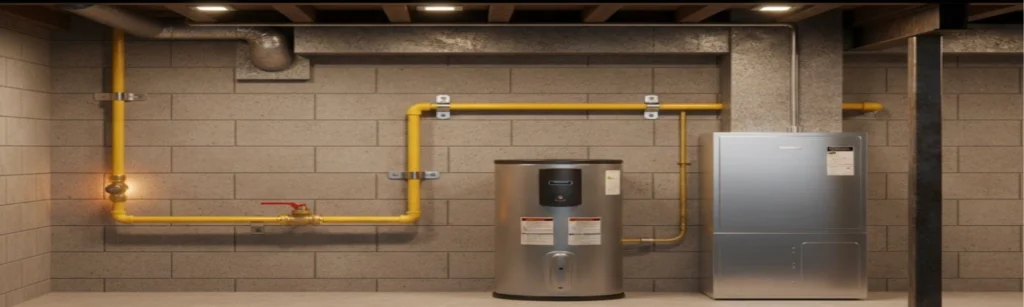
Your home’s gas system consists of several important parts, each working together to deliver gas safely:
- Gas Meter: This device measures the amount of gas your home uses. It also marks the transition point between the utility company’s responsibility and your homeowner responsibility.
- Service Line: This is the underground pipe that carries gas from the utility’s main line in the street to your gas meter.
- Main Shut-Off Valve: Located near your gas meter, this valve allows you to turn off the entire gas supply to your home in an emergency.
- Branch Lines: These are smaller pipes that extend from the main interior gas line to individual appliances.
- Risers/Drops: Vertical pipe sections that connect branch lines to appliances or extend through different levels of your home.
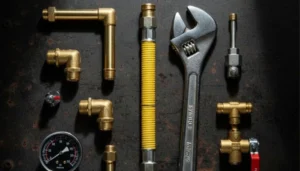
- Fittings: Connectors like elbows, tees, and couplings that join pipe sections and change direction.
- Connectors: Flexible or rigid lines that attach directly from the branch line to your gas appliances.
How to Recognize a Gas Line Problem — Quick Safety Checklist
Knowing how to spot a gas line problem early is critical for your safety. Pay close attention to these warning signs.
Immediate Warning Signs
- The Olfactory Warning: Rotten-Egg Odor— Natural gas is odorless. Gas companies add a chemical called mercaptan to give it a strong, unmistakable smell, often described as rotten eggs or sulfur. This is the most common and crucial sign of a gas leak.
- Auditory Cues: Hissing or Whistling Sounds — A leak might create a hissing or whistling sound near a gas line or appliance, indicating gas escaping under pressure.
- Visual Indicators:
- Dead or Discolored Vegetation: If you notice patches of dead or discolored plants, grass, or shrubs, especially near an outdoor gas line, it could signal an underground leak.
- Visible Damage: Look for dents, kinks, cracks, heavy rust, or corrosion on exposed gas pipes.
- Yellow or Orange Flames: Gas appliances should burn with a clear blue flame. A yellow, orange, or flickering flame suggests incomplete combustion and a potential problem.
- Performance Issues with Appliances: Your gas appliances may show signs of trouble, such as reduced efficiency, pilot lights that frequently go out, or inconsistent heating from your furnace or water heater.
- Financial Red Flags: Unexplained Spikes in Gas Bills: A sudden and significant increase in your gas bill without a corresponding change in usage could indicate a leak.
- Alerts from Safety Devices: Carbon Monoxide Detector Alarms: While carbon monoxide (CO) is not natural gas, a gas leak can sometimes lead to incomplete combustion and CO buildup. If your carbon monoxide detector alarms, it signals a serious danger.
Emergency Actions
If you suspect a gas leak, immediate action is vital. Follow these critical steps:
- Evacuate everyone (including pets) immediately from the building. Do not delay.
- Do NOT: Use cell phones, light switches, flashlights, garage door openers, or any other electronics inside or near the home. Avoid lighting any flames or starting vehicles. Do not attempt to locate the leak yourself.
- Shutting Off the Gas Supply: If it is safe to do so without re-entering the building and your main gas shut-off valve is easily accessible outside, you may turn it off. However, prioritize evacuation above all else.
- Contact Emergency Services: Once you are at a safe distance from your home, call your gas utility company and 911. They will dispatch emergency responders.
- Call FredCo Plumbing Pros for immediate assistance after contacting emergency services. Our team is ready to respond.
The Grave Dangers of Unaddressed Gas Line Issues
Ignoring a gas line problem puts your home and family at extreme risk. Understanding these dangers highlights why professional, prompt attention is non-negotiable.
Gas Leaks & Their Immediate Threats
Natural gas is highly flammable and poses severe immediate threats:
- Fire Hazards & Explosions: Even a small spark, from a light switch, appliance, or static electricity, can ignite leaking natural gas. This can lead to a devastating fire or a catastrophic explosion, causing widespread damage, injury, or loss of life.
- Asphyxiation & Health Risks: Natural gas displaces oxygen. In a confined space, a significant leak can reduce oxygen levels, leading to asphyxiation. Direct inhalation of natural gas can also cause dizziness, nausea, headaches, and other serious health problems.
Carbon Monoxide (CO) Poisoning: The Silent Killer
While not natural gas itself, carbon monoxide is a common and deadly byproduct of faulty gas systems.
- What is Carbon Monoxide? Carbon monoxide (CO) is a colorless, odorless, and tasteless gas. It forms when fuels like natural gas burn incompletely. This makes it incredibly dangerous and earned it the name The Silent Killer.
- Sources of CO: Malfunctioning gas appliances, blocked flues, corroded chimneys, or even a gas leak causing incomplete combustion can all produce dangerous levels of CO.
- Symptoms of CO Poisoning: CO poisoning symptoms are often mistaken for the flu or other illnesses. They include headache, dizziness, nausea, fatigue, confusion, and shortness of breath. High levels can lead to unconsciousness and death quickly.
- Preventative Role of Carbon Monoxide Detectors: Properly installed and maintained carbon monoxide detectors are your first line of defense against this invisible threat. They provide an early warning, giving you time to evacuate.
Common Causes of Residential Gas Line Problems
Understanding why gas line problems occur helps homeowners take preventative steps and have informed discussions with their service professionals.
Corrosion and Rust
Metal gas pipes, especially black iron, are susceptible to corrosion and rust when exposed to moisture, soil, or certain chemicals. This deterioration weakens the pipe walls, leading to leaks over time.
Physical Damage
Accidents are a common cause of gas line issues. This includes accidental damage during digging projects, home renovations, or landscaping work. Natural disasters like earthquakes, floods, or ground shifts can also stress and damage lines. External impacts, such as vehicle collisions or vandalism, can compromise exposed lines.
Aging Infrastructure & Wear and Tear
Like any home system, gas lines have a lifespan. Older pipes, fittings, and components naturally deteriorate over many years of service, becoming more prone to leaks or failures.
Improper Installation
Gas line work requires specific expertise and adherence to strict codes. Improper installation, including loose fittings, incorrect pipe sizing, poorly made connections, or code violations from DIY attempts or unqualified work, is a significant cause of future problems and safety hazards.
Poor or Lack of Maintenance
Neglecting regular inspections and upkeep of your gas lines and appliances can allow minor issues to escalate into major problems. Preventative maintenance is key to long-term safety.
Faulty Components
Individual components within the gas system, such as malfunctioning valves, regulators, or connectors, can fail due to manufacturing defects or wear, leading to leaks or pressure issues.
Blockages
Accumulations of dirt, debris, or foreign objects inside a gas line can restrict gas flow, causing appliances to perform poorly or not at all. While less common, this can also lead to pressure imbalances.
How Professionals Diagnose & Fix Gas Line Issues
When you suspect a gas line problem, FredCo Plumbing Pros brings a systematic, expert approach to diagnose and resolve the issue safely and effectively.
Leak Detection Methods
Our licensed FredCo technicians use advanced tools and proven methods to pinpoint gas leaks:
- Electronic Gas Detectors: These handheld devices detect the presence of natural gas in the air, allowing technicians to scan areas quickly.
- Combustible Gas Meters: Providing precise measurements, these meters quantify the concentration of gas, helping to assess the severity of a leak.
- Soap Tests: For visible connections or pipes, applying a soapy solution creates bubbles where gas is escaping, offering a visual confirmation of a leak.
- Tracer Gases: In complex scenarios or for underground leaks, a non-toxic tracer gas might be injected into the line, which can then be detected by specialized equipment.
- Infrared Cameras: These cameras can sometimes detect the thermal signatures of gas plumes, especially for larger leaks.
Pressure Test Explained
A pressure test is a critical safety measure and a standard procedure for new gas line installations, repairs, or when a leak is suspected.
During a pressure test, a FredCo technician isolates a section of the gas line and introduces air or an inert gas at a specific pressure. We then monitor this pressure over a set period, typically 15 to 30 minutes, or longer for larger systems. If the pressure holds steady, the line passes the test, confirming it is leak-free and safe. A drop in pressure indicates a leak, which then requires further detection to locate and repair. This process is essential for safety and ensuring code compliance.
Repair Options
The type of repair depends on the nature and severity of the gas line damage:
- Tighten Connector: For minor leaks at connections, simply tightening a fitting can resolve the issue.
- Replace Isolated Segment: If a specific section of pipe is corroded, damaged, or leaking, we carefully remove and replace only that segment with new, code-compliant piping.
- Full Service Line Replacement: For extensive corrosion, widespread damage, or an outdated system, a complete replacement of your entire service line may be the safest and most cost-effective long-term solution.
Restoration & Landscape Repair
Gas line repairs, especially those involving underground lines, often require excavation. FredCo Plumbing Pros takes care to minimize disruption. We consider trenching considerations to protect your property and ensure proper aesthetic repair post-excavation. Our goal is to leave your property as tidy as we found it.
Preventative Maintenance & Inspection Schedule
Proactive maintenance is the best defense against gas line problems, ensuring long-term safety and efficiency for your home.
Homeowner Monthly Checks
You can perform simple, routine checks to help identify potential issues early:
- Visual Inspections: Regularly look at exposed gas pipes in your basement, utility room, or outside for any visible damage, heavy rust, corrosion, or kinks.
- Regular Odor Checks: Trust your nose. If you ever detect the distinct rotten-egg odor of mercaptan, act immediately.
- Testing Carbon Monoxide Detectors: Press the test button on your CO detectors monthly to ensure they are functioning. Replace batteries annually, or as recommended by the manufacturer.
Annual Professional Gas Line Inspection Checklist
An annual professional inspection by a licensed FredCo technician provides a thorough evaluation of your entire gas system. During an inspection, we check for:
- Corrosion and Physical Damage: Examining all accessible pipes for signs of wear.
- Leaks: Using specialized detectors to identify even minor leaks.
- Pressure: Verifying proper gas pressure throughout the system.
- Connections: Ensuring all fittings and appliance connectors are secure and free of leaks.
- Proper Ventilation: Checking that gas appliances vent correctly and flues are clear.
- Bonding and Grounding: Confirming CSST is properly bonded and grounded.
- EFV Function: (Excess Flow Valve) if installed, ensuring it is in good working order.
Critical Safety Practices
Implement these practices to enhance gas safety in your home:
- “Call Before You Dig” (811): Always contact 811 a few days before any digging project, even small ones. This free service marks the location of underground utility lines, preventing accidental damage to gas lines.
- Install and Maintain Carbon Monoxide Detectors: Place detectors on every level of your home, especially near sleeping areas. Test them monthly and replace them according to manufacturer guidelines.
- Inspect Gas Appliance Connections and Vents: Ensure flexible connectors are not crimped or damaged. Check that appliance vents and flues are clear of obstructions and properly installed.
- Protect Exposed Gas Lines: Shield any exposed outdoor gas lines from physical damage, weather, and corrosion with appropriate covers or protective coatings.
- Educate Household Members: Ensure everyone in your home knows the signs of a gas leak and the critical emergency procedures to follow.
Bonding & Corrosion Prevention
Bonding refers to electrically connecting CSST to your home’s electrical grounding system. This is crucial to prevent damage from lightning strikes or electrical faults. A FredCo technician will ensure your CSST is correctly bonded. For corrosion prevention on black iron pipes, especially those buried or in damp areas, technicians look for protective coatings and proper sealing at joints.
Picking the Right Professional for Gas Line Services — Questions to Ask & Red Flags
Your gas lines are too important to trust to just anyone. Choosing a qualified professional protects your home and family.
Must-Ask Credentials & Qualifications
When selecting a gas line professional, always ask about these critical qualifications:
- License, bonding, and insurance verification: Ensure they hold specific licenses for gas fitting work, are bonded, and carry comprehensive insurance. This protects you in case of accidents or damage.
- Gas fitter certification: Confirm technicians are individually certified and trained in gas line installation and repair.
- Proven experience and specialization in residential gas lines: Ask about their experience with jobs similar to yours.
- Proper permit handling procedures: A reputable company will handle all necessary permits and inspections.
- Knowledge of Excess Flow Valves (EFVs) and local code compliance: They should be up-to-date on all safety devices and local building codes.
- Emergency availability: For urgent situations, ensure they offer 24/7 emergency service.
- Strong local reputation: Check online reviews, testimonials, and industry affiliations. FredCo Plumbing Pros prides itself on a strong track record of safety and customer satisfaction in Frederick and surrounding areas.
Red Flags to Watch Out For
Be wary of any company or individual exhibiting these warning signs:
- DIY claims for buried work: Gas line work, especially underground, is complex and requires professional expertise and permits.
- Pushy emergency upcharges: While emergency service costs more, avoid companies that pressure you into immediate, unverified expensive repairs.
- Unwillingness to handle permits: This indicates a disregard for safety regulations.
- Lack of transparent pricing: Insist on a clear, written estimate.
What to Expect in an Estimate
A professional estimate from FredCo Plumbing Pros will provide:
- Line-item breakdowns: Detailed costs for materials, labor, and permit fees.
- Warranty information: Clear explanation of warranties on parts and labor.
- Project timelines: Realistic expectations for the duration of the work.
Schedule a free site evaluation with FredCo Plumbing Pros today!
⭐⭐⭐⭐⭐ “FredCo Plumbing Pros is highly rated for gas line repairs!”
Call us now at +1 (313) 327-5668 or visit FredCo Website to get started.
Outdoor & Specialty Gas Lines (Grills, Fire Pits, Pool Heaters, Generators)
Your home’s gas system extends beyond indoor appliances. FredCo Plumbing Pros also specializes in safe and efficient installation of outdoor and specialty gas lines.
Code & Best Practices for Outdoor Lines
Installing outdoor gas lines requires careful planning and adherence to specific codes:
- Dedicated Shutoffs: Each outdoor gas appliance should have its own accessible shut-off valve.
- Proper Depth for Buried Lines: Buried gas lines must be installed at a specific depth (e.g., typically 18-24 inches) to protect them from damage, per local code.
- Freeze Protection: Lines exposed to cold temperatures must be properly installed to prevent freeze-ups.
- Material Considerations: Polyethylene (PE) is ideal for buried lines, while properly coated black iron pipe is also suitable.
Appliance-Specific Hookup Details
- Gas Grill Hookup: Permanent gas grill lines provide convenience, eliminating propane tanks. They require a dedicated line, shut-off valve, and proper connection type.
- Fire Pit Requirements: Gas fire pits need a robust gas line with adequate pressure. Considerations include proper sizing, a shut-off, and protection from the elements.
- Pool Heater Considerations: Pool heaters are high-BTU appliances, demanding larger gas lines and specific ventilation requirements.
- Generator Connection: Connecting a standby generator to your home’s natural gas supply requires a dedicated, properly sized line to ensure the generator receives enough fuel to operate efficiently during outages.
Permit Guidance for Outdoor Installations
Just like indoor work, most outdoor gas line installations require permits. This ensures the work meets safety standards for buried lines, appliance connections, and proper shut-offs. FredCo Plumbing Pros handles all necessary permit applications for your outdoor gas line projects.
FAQ: Your Top Questions About Residential Gas Lines Answered
Here are quick, direct answers to common questions homeowners have about residential gas lines.
What steps should be taken in a residential gas leak emergency?
mmediately evacuate everyone from the home, do not use electronics or light switches, and call your gas utility company and 911 from a safe distance. Then, call FredCo Plumbing Pros.
When should residential gas lines be inspected?
Professional gas line inspections are recommended annually, or anytime you suspect a problem, add a new appliance, or perform major renovations.
Should homeowners attempt DIY residential gas line work?
No, homeowners should never attempt DIY gas line work. It is extremely dangerous, illegal in most areas without proper licensing, and can lead to severe hazards. Always hire a licensed professional.
What factors determine residential gas line service costs?
Costs depend on material type, line length, excavation needs, permit fees, emergency status, accessibility, and local labor rates.
What regulations and permits apply to residential gas line services?
Most gas line installations or major repairs require permits from your local building department, ensuring compliance with local and national gas codes for safety.
How do different types of residential gas lines (e.g., CSST, black iron) impact service considerations?
CSST offers flexibility but needs bonding. Black iron is rigid but can corrode at joints. Polyethylene is for underground use only. Each requires specific installation and repair methods.
What is the difference between utility and homeowner responsibility for gas lines?
The utility company is typically responsible for the gas line up to your meter. The homeowner is responsible for all gas piping from the meter into the home and to all appliances.
How often should I test my carbon monoxide detectors?
You should test your carbon monoxide detectors monthly and replace their batteries annually, or as recommended by the manufacturer.
What qualifications should I look for in a gas line professional?
Look for a licensed, bonded, and insured professional with specific gas fitter certification, proven experience, knowledge of local codes, emergency availability, and a strong local reputation.
Explore more home plumbing insights on our Blog Page.