The silent threat of drain problems can disrupt your home and peace of mind. Standing water, foul smells, and slow drains are more than minor annoyances; they signal deeper issues. This guide helps you find the cause, offers immediate fixes, and details long-term repairs. Learn how to prevent these problems and when to call a professional. We cover 10 common indoor drain issues, their signs, causes, and effective solutions.
Understanding Your Indoor Drain System: A Quick Plumbing Primer
Knowing how your home’s drains work helps you tackle clogs with confidence. Your plumbing system is a network designed to safely remove wastewater. Understanding its basics can save you stress and money.
A. How Indoor Drains Work
Your indoor drains rely on gravity to move water and waste away. Water enters your pipes and flows downhill through a series of connected lines. This waste then travels to your main sewer line. From there, it goes to a municipal sewer system or your septic tank.
B. Key Drain Components & Their Function
Each part of your drain system plays a vital role. Knowing them helps you understand plumbing issues.
- P-trap: This U-shaped pipe under sinks and tubs holds a small amount of water. This water creates a water seal, stopping sewer gases from entering your home. It also catches small items before they enter deeper pipes.
- Main Line (Sewer Lateral): This large pipe collects all wastewater from your home. It carries everything to the public sewer system or your septic tank. Problems here affect your entire home.
- Vent Pipes: These pipes extend through your roof. They balance air pressure within your drain system. Proper venting lets water flow smoothly and prevents gurgling noises or slow drains.
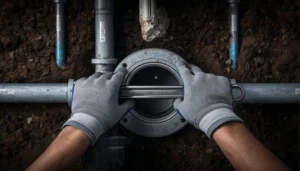
- Cleanouts: These are capped openings found along your drain lines. Plumbers use cleanouts to access and clear blockages deep within your plumbing. They are crucial for effective drain maintenance.
C. Importance of a Healthy Plumbing System
A healthy plumbing system is essential for more than just convenience. It protects your property value by preventing costly water damage. It also safeguards your family’s health by keeping wastewater and harmful gases out. Neglected issues can even affect your home’s structural integrity.
How to Tell if You Have a Drain Problem (Quick Diagnostics)
Catching drain problems early can prevent bigger headaches. Pay attention to these common warning signs. A quick check helps you diagnose the issue.
- Slow Drainage: Water drains very slowly from a sink, tub, or shower.
- Gurgling Sounds: You hear bubbling or gurgling when water drains or a toilet flushes.
- Foul Smell: Unpleasant odors, like rotten eggs, come from your drains.
- Standing Water: Water collects in your sink, tub, or shower and does not drain.
- Water Backing Up in Multiple Fixtures: Flushing a toilet causes water to rise in a nearby sink or shower.
- Visible Leaks/Dampness: You see water stains, damp spots, or actual leaks around pipes.
Here’s how to quickly check for a drain problem:
- Check multiple fixtures: See if the problem affects only one drain or several.
- Listen for gurgling: Flush a toilet and listen closely to nearby drains.
- Observe water level: Watch how quickly water drains from a sink or tub.
Slow drainage often indicates a partial blockage. This could be a P-trap issue, a venting problem, or even an improper pipe pitch.
The 10 Most Common Indoor Drain Problems
Here are the most frequent drain issues homeowners face. Each section provides symptoms, causes, and solutions.
1. Hair Buildup & Soap Scum (Bathroom Drains)
- Symptoms: Slow shower drain, standing water in tub, visible hairball near the drain opening.
- What causes it: Loose hair combines with soap scum and shampoo residue. This mixture forms sticky clumps that cling to pipe walls. Over time, these clumps narrow the drain opening.
- Why it matters / risks: Neglecting hair clogs leads to complete blockages and standing water. This can cause mold growth and unsanitary conditions.
- Immediate DIY fix:
- Remove visible hair: Use tweezers or pliers to pull out surface hair.
- Use a hair snare/drain snake: Insert a plastic or metal tool into the drain. Twist and pull out the clog.
- Flush with hot water: After removing debris, run hot water to clear remaining residue.
- Safety warning: Avoid harsh chemical drain cleaners; they can damage pipes.
- When DIY won’t work / when to call a pro: If the drain remains slow or clogs again within weeks, call a professional. A deeper blockage may exist.
- Pro solution: Plumbers use a mechanical auger or cable machine to break up and remove stubborn clogs.
- Estimated cost bracket: $150 – $350 (simple auger service).
- Micro-CTA: Still have a slow drain? Book a professional drain cleaning now.
2. Grease & Oil Buildup (Kitchen Drains)
- Symptoms: Slow kitchen sink drain, foul greasy odors from the sink, water pooling.
- What causes it: Pouring fats, oils, and grease (FOG) down the kitchen sink. As FOG cools, it solidifies and sticks to pipe interiors. Food particles then get trapped.
- Why it matters / risks: Grease clogs build up, leading to total blockages and backups. These can cause unsanitary conditions and pipe corrosion.
- Immediate DIY fix:
- Boiling water flush: Carefully pour a kettle of boiling water down the drain. This can melt small grease clogs.
- Baking soda and vinegar: Pour 1/2 cup baking soda, then 1/2 cup white vinegar. Let it sit for 30 minutes, then flush with hot water.
- Safety warning: Do not use this method if you have previously used chemical drain cleaners.
- When DIY won’t work / when to call a pro: If the clog persists or returns quickly, professional help is needed. The grease might be too deep.
- Pro solution: Plumbers often use hydro jetting to blast away grease buildup with high-pressure water.
- Estimated cost bracket: $250 – $600 (hydro jetting for kitchen lines).
- Micro-CTA: Recurring grease clog? Get a professional hydro jetting service.
3. Food Waste & Garbage Disposal Misuse
- Symptoms: Kitchen sink won’t drain, disposal hums but doesn’t grind, foul smell from disposal.
- What causes it: Overloading the disposal, grinding fibrous foods (celery, potato peels), or non-food items. The disposal grinds, but the waste still clogs the drain pipe.
- Why it matters / risks: Improper disposal use can damage the unit or create severe drain blockages. This leads to unsanitary backups and costly repairs.
- Immediate DIY fix:
- Reset button: Check under the disposal for a small red reset button and press it.
- Clear with an Allen wrench: Insert the wrench into the bottom center hole. Turn it back and forth to free the grinding plates.
- Flush with cold water: Always run cold water before, during, and after using the disposal.
- Safety warning: Never put your hand into a garbage disposal. Turn off the power first.
- When DIY won’t work / when to call a pro: If the disposal still doesn’t work or the drain remains clogged, call a plumber. The pipe might be fully blocked.
- Pro solution: A plumber will inspect the disposal for damage and use a drain snake to clear the pipe.
- Estimated cost bracket: $150 – $400 (disposal repair/drain clearing).
- Micro-CTA: Disposal still jammed? Contact us for expert repair.
4. Non-Flushable Items & Foreign Objects (Wipes, Cat Litter, Toys)
- Symptoms: Toilet won’t flush, water rises in the bowl, drain backs up, unusual water levels.
- What causes it: Flushing items not designed to dissolve in water. “Flushable” wipes, cat litter, paper towels, and small toys are common culprits. These items get stuck and create severe blockages.
- Why it matters / risks: These clogs can cause toilets to overflow, leading to water damage. They also stress your entire drain system.
- Immediate DIY fix:
- Heavy-duty plunger: Use a good quality plunger with a strong seal. Plunge firmly and repeatedly.
- Toilet auger/snake: If plunging fails, gently insert a toilet auger. Turn the handle to push through or retrieve the object.
- Safety warning: Do not force the auger; you could damage the toilet bowl.
- When DIY won’t work / when to call a pro: If the object is too deep or the toilet remains clogged, professional help is essential.
- Pro solution: Plumbers use specialized toilet augers or camera inspections to locate and remove foreign objects.
- Estimated cost bracket: $200 – $500 (toilet auger service).
- Micro-CTA: Can’t clear the toilet? Schedule a professional clog removal.
5. Tree Root Intrusion (Sewer Lateral)
- Symptoms: Multiple slow drains, gurgling toilets, sewage odor in basement/yard, frequent backups.
- What causes it: Tree and shrub roots naturally seek water sources. They can infiltrate tiny cracks or loose joints in your main sewer lateral. Once inside, they grow and catch debris, causing blockages.
- Why it matters / risks: Root intrusion causes severe, recurring backups and can completely destroy your sewer line. This leads to costly excavation and repair.
- Immediate DIY fix: No effective DIY fix exists for tree roots.
- When DIY won’t work / when to call a pro: Always call a professional if you suspect tree roots. This issue needs expert tools.
- Pro solution: Plumbers use a sewer camera inspection to confirm roots. They then use powerful augers with cutting blades or hydro jetting to clear them.
- Estimated cost bracket: $300 – $800 (root cutting/hydro jetting); $1,500 – $10,000+ (pipe repair/replacement if damaged).
- Micro-CTA: Suspect tree roots? Request a professional sewer camera inspection today.
6. Mineral Deposits & Hard Water Scale
- Symptoms: Very slow drains over time, reduced water pressure, white or crusty buildup on fixtures.
- What causes it: Homes with hard water have high mineral content (calcium, magnesium). These minerals deposit on pipe interiors, forming scale. This scale narrows the pipe over years.
- Why it matters / risks: Mineral buildup significantly restricts water flow and reduces pipe lifespan. It can lead to complete blockages and expensive pipe replacement.
- Immediate DIY fix:
- White vinegar flush: Pour a cup of white vinegar down the drain. Let it sit overnight, then flush with hot water. This can dissolve minor mineral buildup.
- Safety warning: Do not mix vinegar with any other drain cleaner.
- When DIY won’t work / when to call a pro: If your drains remain slow or the problem is widespread, professional intervention is necessary.
- Pro solution: Plumbers may use strong acidic cleaners (professional grade) or hydro jetting to remove severe scale buildup. A water softener installation is also often recommended.
- Estimated cost bracket: $200 – $700 (professional descaling); $800 – $2,500+ (water softener installation).
- Micro-CTA: Dealing with hard water? Ask about water softener solutions.
7. Broken, Collapsed, or Corroded Pipes
- Symptoms: Recurring blockages, localized wet spots in yard/basement, sudden drop in water pressure, foul odors, sinkholes.
- What causes it: Old age, ground shifting, heavy vehicle traffic, or poor installation can damage pipes. Corrosion is common in older cast iron or galvanized pipes.
- Why it matters / risks: Damaged pipes cause severe water leaks, structural damage, and unsanitary sewage backups. This poses serious health risks.
- Immediate DIY fix: No DIY fix. This requires immediate professional attention.
- When DIY won’t work / when to call a pro: Call a plumber immediately if you suspect a broken or collapsed pipe. This is a plumbing emergency.
- Pro solution: A camera inspection identifies the damage. Solutions include pipe lining (trenchless repair) or full pipe replacement (excavation).
- Estimated cost bracket: $1,500 – $15,000+ (depending on damage severity and repair method).
- Micro-CTA: Suspect pipe damage? Get an emergency camera inspection and repair estimate.
8. P-trap & Venting Issues (Gurgling, Odors, Negative Pressure)
- Symptoms: Loud gurgling from drains, bad odors from sinks (sulfur/sewer gas), very slow drains, water sucking out of the P-trap.
- What causes it: A blocked P-trap, a blocked vent pipe, or improper vent pipe installation. A blocked vent causes negative pressure, pulling water from the P-trap. This breaks the water seal.
- Why it matters / risks: A broken water seal allows dangerous sewer gas to enter your home. Poor venting causes slow drains and potential pipe damage.
- Immediate DIY fix:
- Clear the P-trap: Place a bucket under the P-trap. Loosen the nuts, remove the trap, and clean out debris. Reassemble carefully.
- Check rooftop vents: Safely inspect for obstructions (nests, leaves). Caution: Only attempt if safe to do so.
- When DIY won’t work / when to call a pro: If clearing the P-trap doesn’t fix the issue, or if vent pipes are inaccessible, call a professional.
- Pro solution: Plumbers will inspect vent lines, clear blockages, or correct improper vent installation.
- Estimated cost bracket: $150 – $500 (P-trap repair/vent clearing).
- Micro-CTA: Still smelling sewer gas? Schedule a professional plumbing inspection.
9. Main Sewer Line Backups & Municipal/Septic Issues
- Symptoms: Multiple fixtures back up simultaneously (toilets, tubs, sinks), sewage coming up drains, foul odors throughout the house.
- What causes it: A significant blockage in your main sewer line, or issues with the municipal sewer system. For homes with septic tanks, an overflowing or failing septic system causes backups.
- Why it matters / risks: This is a severe health hazard. Raw sewage contains harmful bacteria and viruses. It can cause extensive property damage and mold growth.
- Immediate DIY fix: No DIY fix. This is an emergency. Stop using all water and call a plumber.
- When DIY won’t work / when to call a pro: Immediately call a professional. Do not attempt DIY.
- Pro solution: Plumbers will conduct a sewer camera inspection to find the blockage. They will then use powerful augers or hydro jetting. If it’s a municipal issue, they’ll advise contacting your city.
- Estimated cost bracket: $300 – $1,500+ (main line clearing, depending on severity).
- Micro-CTA: Experiencing a sewage backup? Call our emergency plumbing service now!
10. Improper Pipe Pitch or Installation Errors
- Symptoms: Recurring slow drains, frequent clogs, foul odors due to standing water in pipes, drainage issues from new fixtures.
- What causes it: Drain pipes need a specific slope, or pipe pitch, to drain properly by gravity. If pipes are installed with too little slope (not enough pitch) or even sloped backward, water sits in them. This allows debris to settle and odors to develop. Incorrect pipe sizing or wrong materials also contribute.
- Why it matters / risks: Improper pitch causes chronic blockages and odor issues. Standing water leads to accelerated corrosion and bacterial growth.
- Immediate DIY fix: No effective DIY fix for installation errors. You can try regular flushing.
- When DIY won’t work / when to call a pro: If you have persistent slow drains despite clearing visible clogs, professional assessment is crucial. This is a structural plumbing issue.
- Pro solution: A plumber will use a camera inspection to assess pipe pitch and condition. They might recommend re-piping or re-sloping sections of the drain line.
- Estimated cost bracket: $500 – $5,000+ (for re-piping or correcting pitch, highly variable).
- Micro-CTA: Chronic slow drains? Request an expert drain system evaluation.
Additional Situations That Mimic Drain Problems
Sometimes, a drain issue isn’t really a drain issue. Other plumbing problems can show similar signs.
A. Frozen Pipes
Frozen pipes primarily happen in winter. Extremely cold temperatures can freeze water inside pipes, often in unheated areas. This prevents water flow and can mimic a severe blockage. You might notice no water from a tap or very slow drainage. Prevention includes insulating exposed pipes and letting faucets drip during cold snaps.
B. High Water Pressure
High water pressure can strain your entire plumbing system. It causes leaks, banging pipes (water hammer), and premature wear on appliances. While not a direct drain clog, it can worsen existing drain wear. You can test your home’s water pressure with a gauge. A plumber can install a pressure reducing valve (PRV) to address this.
C. Older Homes / Outdated Plumbing Materials
Older homes often have unique plumbing challenges. Materials like cast iron can corrode and scale, leading to restricted flow. Clay pipes are prone to cracks and root intrusion. Lead or galvanized pipes degrade over time. These issues manifest as frequent clogs, leaks, or low water pressure. Improper pipe sizing in older systems also contributes to slow drainage.
Quick Fixes & General Drain Do’s and Don’ts
Empower yourself with these practical tips for basic drain maintenance. Knowing what to do – and what not to do – is key.
Safe DIY Tools & Methods
- Plunger: A sturdy cup plunger (for sinks) or flange plunger (for toilets) is essential. Ensure a tight seal over the drain. Plunge firmly and quickly 5-10 times.
- Hand Auger/Drain Snake: This flexible tool retrieves hair and small objects. Gently feed it into the drain until it meets resistance. Twist the handle and pull back to clear the clog.
- Enzymatic Cleaners: These use beneficial bacteria to digest organic matter (hair, grease, food). They are pipe-safe and eco-friendly. Use them regularly for maintenance, not for immediate heavy clogs.
What NOT to Use (and Why)
- Dangerous Chemical Drain Cleaners: These highly corrosive liquids create heat and can damage pipes, especially older ones. They pose a burn risk and produce toxic fumes.
- Hot Grease: Never pour hot grease down the drain. It cools and solidifies, creating stubborn clogs.
- Excessive Toilet Paper: Use only what’s necessary. Large wads do not break down easily and cause clogs.
- Non-Flushable Items: Wipes (even “flushable” ones), paper towels, cotton balls, and feminine hygiene products belong in the trash. They do not dissolve in water.
Home Maintenance Checklist (Monthly/Quarterly)
- Hair Catchers/Drain Strainers: Install these in all bathroom drains to trap hair before it enters pipes.
- Hot Water Flush: Run hot water for a few minutes in kitchen drains after washing dishes. This helps push residual grease.
- Proper Grease Disposal: Pour cooking grease into an old can or container. Let it cool and solidify, then throw it in the trash.
- Run Water in Unused Drains: Periodically run water in guest bathrooms or unused sinks. This keeps P-traps full and prevents sewer gas.
Comparison Table: Drain Cleaning Methods
| Method | Cost ($) | Time | Pipe-Safety | Best-For | Effectiveness |
| Plunger | $10-30 | Minutes | High | Minor clogs, single fixtures | Good for surface |
| Hand Auger | $20-80 | 15-30 Minutes | High | Hair, small objects, deeper clogs | Good for specific |
| Enzymatic | $15-30 | Hours-Overnight | High | Maintenance, light organic buildup | Slow acting |
| Chemical | $10-25 | 30 Min – Hours | Low (Risky) | Quick but dangerous | Can work but damages |
| Professional Auger | $150-500 | 30 Min – 1 Hour | High | Tough clogs, roots, deep blockages | Very high |
| Hydro-Jetting | $250-800 | 1-2 Hours | High | Grease, scale, heavy buildup, roots | Excellent, clears walls |
Health & Safety Risks of Ignoring Drain Problems
Ignoring drain issues can lead to serious health and safety hazards. Act quickly to protect your home and family.
A. Mold Growth
Leaks and standing water from neglected drains create perfect conditions for mold growth. Mold thrives in damp environments. It can spread quickly behind walls and under floors. Mold exposure causes respiratory problems, allergies, and other health issues.
B. Sewer Gas Exposure
A compromised drain system can release sewer gas into your home. This gas contains harmful compounds like hydrogen sulfide, methane, and ammonia. Exposure causes headaches, nausea, and respiratory distress. High concentrations of methane also pose an explosion hazard.
C. Standing Water
Standing water in sinks, tubs, or basements is a breeding ground. It quickly harbors bacteria growth, viruses, and fungi. This stagnant water also attracts pests like cockroaches and rodents. These pests bring additional health risks into your home.
D. Structural Damage
Prolonged leaks from drain problems cause significant structural damage. Water can weaken foundations, warp flooring, and rot wooden beams. This compromises your home’s overall structural integrity. It leads to expensive repairs and decreases property value.
Comprehensive Preventive Routine & Products
Proactive maintenance is the best defense against drain problems. A simple routine can save you from costly and messy issues.
Recommended Products
- Enzymatic Cleaners: Use these biological cleaners monthly. They safely break down organic waste without harming pipes. They are excellent for maintaining clear drains.
- Hair Catchers/Drain Strainers: These inexpensive tools fit over drain openings. They effectively trap hair and food particles. Regularly empty them into the trash.
- Grease Disposal Containers: Keep an old can or jar by your kitchen sink. Pour used cooking oil and grease into it. Once cooled and solid, toss it in the trash.
Proper Disposal Habits
- FOG (Fats, Oils, Grease) Disposal: Absolutely avoid pouring FOG down any drain. Even hot water does not prevent it from solidifying in pipes.
- Proper Food Waste Management: Be mindful of what goes into your garbage disposal. Avoid fibrous items (celery, corn husks), coffee grounds, and large quantities of food.
- Avoiding Non-Flushable Items: Never flush anything other than human waste and toilet paper. This rule applies to “flushable” wipes, paper towels, and hygiene products.
Seasonal Checks and Long-Term Prevention
- Winterizing Exposed Pipes: Insulate any pipes in unheated areas, like basements or crawl spaces. Consider letting faucets drip during freezing temperatures to prevent ice buildup.
- Tree Root Mitigation: If you have large trees, consider installing root barriers around your sewer line. Annual professional inspections can also catch early root intrusion.
- Annual Professional Plumbing Inspections: Schedule a yearly sewer camera inspection. This allows plumbers to identify potential issues like cracks, blockages, or improper pipe pitch before they become major problems.
Importance of Water Softeners
For homes in hard water areas, a water softener is invaluable. It removes minerals that cause scale buildup. This prevents slow drains and extends the life of your plumbing system and appliances.
Upgrades for Older Homes
Consider modern upgrades for outdated drain systems. Re-piping replaces old, corroded pipes with new, durable materials like PEX or copper. Trenchless lining can repair damaged sewer lines without extensive digging. These investments significantly improve your home’s plumbing.
Frequently Asked Questions (FAQ) About Drain Problems
What causes a slow shower drain?
A slow shower drain is commonly caused by a buildup of hair and soap scum. These materials combine to form sticky clogs that trap debris and restrict water flow. Over time, this mixture narrows the pipe, leading to very sluggish drainage. Regular cleaning and hair catchers help prevent this.
Can I flush flushable wipes?
No, you should not flush “flushable” wipes. Despite their name, these wipes do not break down in water like toilet paper. They often create stubborn clogs in your home’s pipes and contribute to costly municipal sewer system blockages. Always dispose of them in the trash.
Why do older homes experience more indoor drain problems?
Older homes frequently experience more drain problems due to outdated plumbing materials. Cast iron pipes corrode, clay pipes crack, and galvanized pipes accumulate rust and scale. This natural wear and material degradation lead to frequent blockages, leaks, and reduced system efficiency over time.
What upgrades are most effective for older drain systems?
The most effective upgrades for older drain systems include re-piping with modern materials like PEX or copper. Additionally, pipe lining (CIPP) offers a trenchless solution to repair damaged sewer laterals by creating a new pipe within the existing one, extending its lifespan significantly.
How do seasonal changes (e.g., winter, heavy rain) impact indoor drainage systems?
Seasonal changes impact drains in several ways. In winter, frozen pipes can stop water flow. Heavy rain increases groundwater pressure, stressing underground pipes and worsening existing cracks. Increased water volume can also overwhelm main sewer lines, leading to backups.
What are the health risks associated with neglected drain issues or sewer gases?
Neglected drain issues pose several health risks. They can lead to mold growth from leaks and standing water. Sewer gases, containing hydrogen sulfide and methane, cause respiratory problems. Standing water also attracts bacteria and pests, creating unsanitary conditions and potential exposure to pathogens.
How do plumbers evaluate the lifespan of indoor drain systems?
Plumbers evaluate drain system lifespan primarily through camera inspections. This allows them to assess pipe material, identify corrosion, cracks, or improper pipe pitch, and check for root intrusion. They also consider the system’s age, installation quality, and repair history to provide an accurate assessment.
Why does gurgling noise come from drains and pipes?
Gurgling noises from drains and pipes often indicate P-trap or venting issues. A partial blockage in the drain or a clogged vent pipe can create negative pressure in the system. This pressure imbalance pulls air through the P-trap’s water seal, causing the distinctive gurgling sound.
For more plumbing guides check out our Blog page.